What is Mycoplasma hyopneumoniae in pigs?
Mycoplasma hyopneumoniae (M. hyopneumoniae) is the etiological agent of swine enzootic pneumonia (EP), a chronic respiratory disease that causes severe economic losses in the pig industry worldwide. These economic losses are due to reduced performance, increased susceptibility to other infections, and higher treatment costs (Thacker and Minion, 2012).
L. Garza, M. Sibila, J. Segalés
Transmission of M. hyopneumoniae is mainly by close contact (nose-to-nose) between infected and susceptible pigs (Maes et al., 1996). Since intra-uterine transmission does not occur, the first chance for M. hyopneumoniae exposure is during the lactation period by direct contact with the sow (Nathues et al., 2016).
Why are gilts and young-parity sows important Mycoplasma hyopneumoniae shedders?
Gilts and young-parity sows have been determined as the main M. hyopneumoniae adult shedders, meaning their litters have a higher probability of becoming infected (Boonsoongnern et al., 2012). Since M. hyopneumoniae colonisation at weaning has been correlated with the severity of respiratory problems in the fattening period, it has been proposed that the first farrowing is a key control point for managing M. hyopneumoniae infection (Fano et al., 2007; Pieters and Fano, 2016).
Taking into account that gilts are the main M. hyopneumoniae shedders at farrowing, strategies focused on decreasing gilt shedding are required. It is advised to perform gilt acclimation to reduce the M. hyopneumoniae infectious pressure in a farm.
How do European pig farms run their gilt acclimation programs?
Information available on how M. hyopneumoniae gilt acclimation is performed in practice has been limited. A descriptive study on M. hyopneumoniae gilt acclimation practices at the European level was published (Garza-Moreno et al., 2017). This study was based on European swine veterinarian responses from a questionnaire divided into two parts (Figure 1). In the first part, general data such as herd size and production system was collected. The second part included questions concerning different factors that should be considered when planning gilt acclimation, covering the following areas:
- M. hyopneumoniae status of recipient herds: This section asked for the current herd status regarding M. hyopneumoniae and how that status was monitored (for example, clinical diagnosis by the presence of cough and lung lesions, laboratory confirmation by ELISA and/or PCR, or both).
- M. hyopneumoniae status of incoming replacement: This part collected data on replacement origin, frequency of entrance, age on arrival, health status regarding M. hyopneumoniae, and how that status was checked.
- Gilt acclimation process, timing and verification: This section asked for replacement management practices, the strategy used to acclimate (vaccines, animal exposure, etc.), the timing of those practices, and whether the process was verified by laboratory techniques.
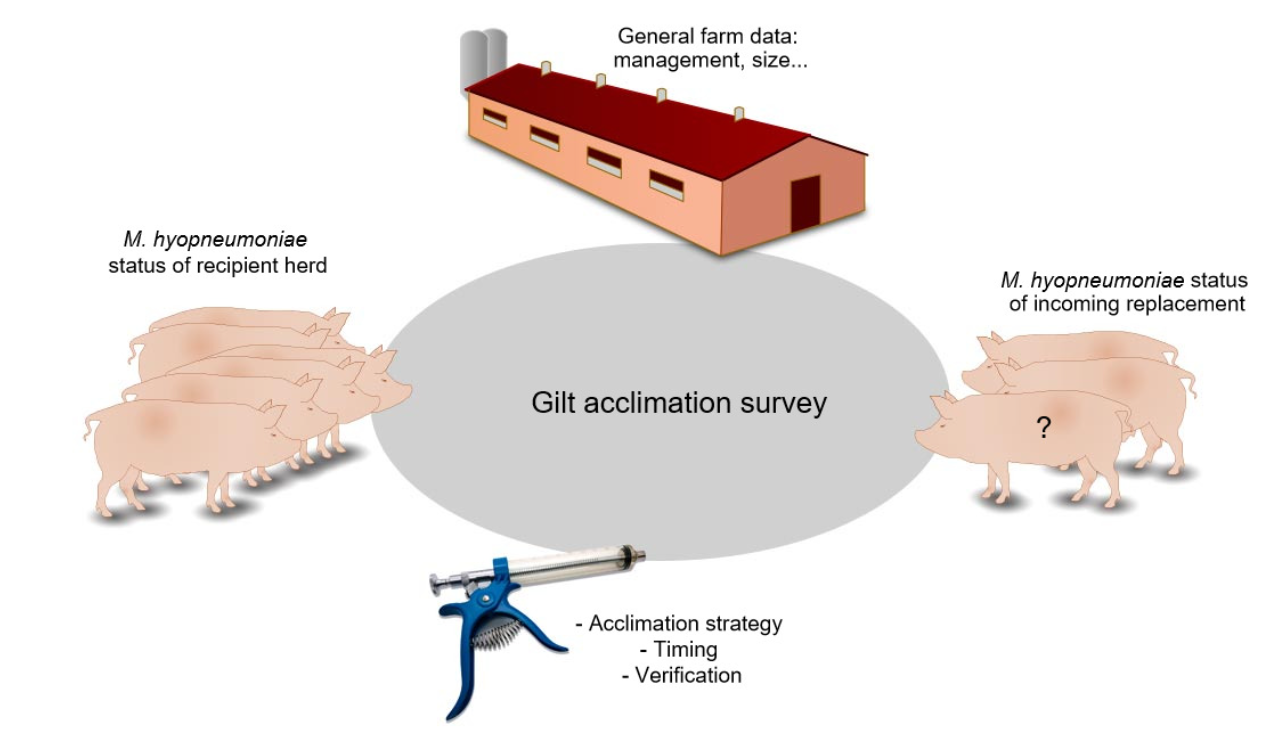
Figure 1. Information related with gilt acclimation collected by the survey.
A total of 321 survey responses from 108 veterinarians from 18 European countries were obtained, with most responses from Southern European countries (70%). From these 321 participants, 320 (99%) knew the M. hyopneumoniae status of their farm. Such assessment was based mainly on the presence of clinical signs and lung lesions at slaughter (30%).
In addition, 87% of respondents knew the replacement status on arrival; in most cases, replacements were seropositive against M. hyopneumoniae (56%). Nevertheless, only 28% of them verified this theoretical status, with ELISA being the most utilised laboratory technique for that assessment.
Acclimation points: timing, vaccination and natural exposure
Gilt acclimation was performed in 78% of surveyed European farms. Vaccination — alone or combined with natural exposure to infected animals — was the main strategy used (Table 1). Vaccination with one or two doses was frequently administered to gilts during the acclimation period.
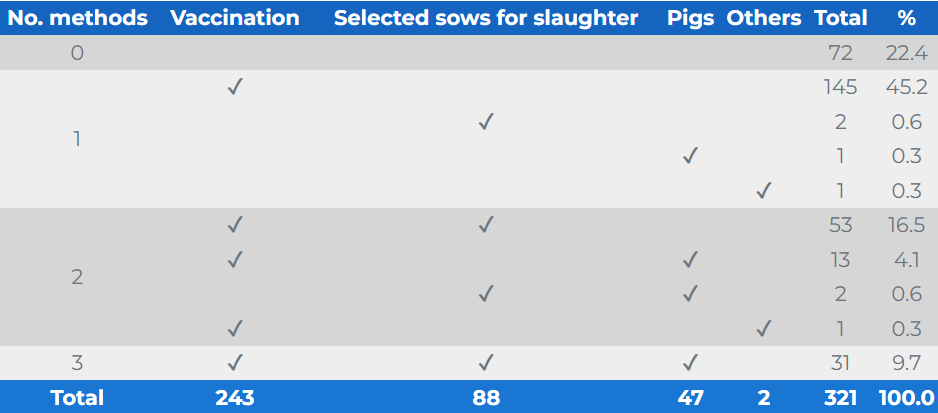
Table 1. Number of farms (%) according to gilt acclimation strategy for M. hyopneumoniae used in Europe (Garza-Moreno et al., 2017).
How do European farms verify Mycoplasma hyopneumoniae status?
The results of this study showed that verification at the end of the acclimation process is not frequently performed in Europe: only 24% of respondents checked it.
This gap between the prevalence of acclimation practice (78% of farms) and formal verification (24%) suggests that laboratory verification of the acclimation process remains underused as a tool for controlling M. hyopneumoniae infection pressure on European pig farms.
Key Takeaways
- Gilts and young-parity sows are key adult shedders: Their litters have a higher probability of becoming infected at farrowing.
- Acclimation is widely practised but rarely verified: 78% of surveyed European farms run gilt acclimation programmes, yet verification at the end of the process is performed on only 24% of those farms.
- Vaccination is the dominant strategy: Vaccination — used alone or combined with natural exposure to infected animals — is the most common acclimation method across European pig herds.
- First farrowing is the critical control point: M. hyopneumoniae colonisation at weaning correlates with respiratory disease severity in the fattening period, making the period around first farrowing the key intervention window.
- Replacement status is often known but not always verified: 87% knew the status of incoming replacement, but only 28% checked this theoretical status using laboratory testing.
You can also find this article on the Pig333 website
