What does a single iron injection for piglets really change?
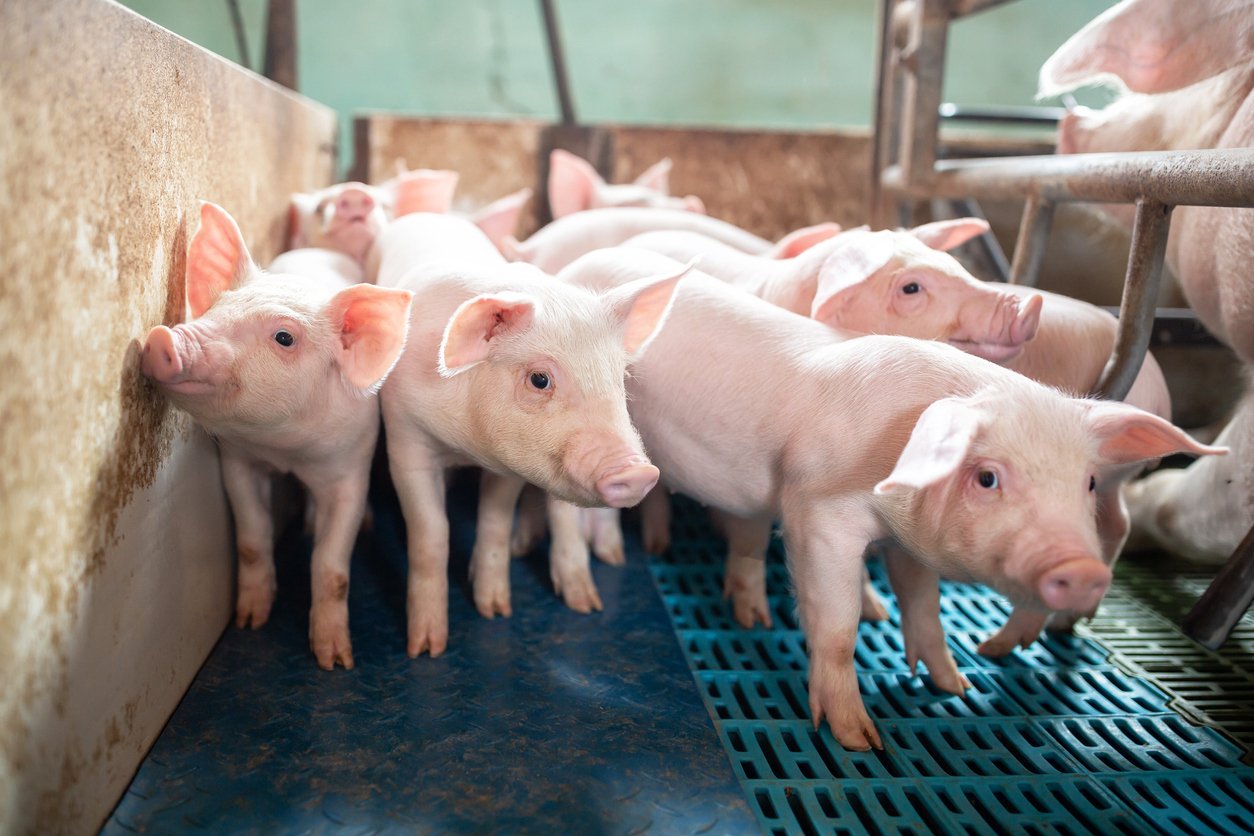
“A single injection against iron deficiency and coccidiosis in piglets. It saves me a lot of time and gives me more certainty than an oral treatment,” says Frans van Mourik.
He has been using this combination since June. "The results with the piglets are good. They are much pinker. They grow well and are visibly more vital. Now that I no longer administer toltrazuril by mouth against coccidiosis in piglets, the piglets no longer gag and vomit. The switch to this combination was very simple. Simply order a different container."
How many times do you inject iron in piglets, and when?
Frans van Mourik studied at the HAS in Den Bosch, where he focused specifically on iron deficiency in newborn piglets.
"Since then, iron in piglets has held my interest. I follow the developments. Because I am responsible for the sows on my own, my time is limited. Now that I inject iron as well as toltrazuril against coccidiosis in one treatment, I am done quickly. One injection is much less burdensome for the piglets.
I treat them 24 to 96 hours after birth. Administering toltrazuril against coccidiosis by injection is more effective than via the jaws. Piglets can no longer spit out the administered product."
Key points from Frans's approach:
- A single injection is given once, within 24 to 96 hours of birth
- The injectable route is preferred over oral dosing because piglets cannot spit out the product
Iron dextran injection for piglets vs gleptoferron: which absorbs better?
Frans addresses the choice of iron compound directly:
"This combination contains gleptoferron as the working iron component. I pay a little more for it, but the piglets absorb it much better than iron dextran-based medicines. The piglets are nice and pink."
Key differences Frans observed in practice:
- Gleptoferron: higher cost per dose, but notably better absorption reported
- Visual outcome: piglets treated with gleptoferron-based product were described as visibly pinker and more vital
What real-farm results does this approach bring?
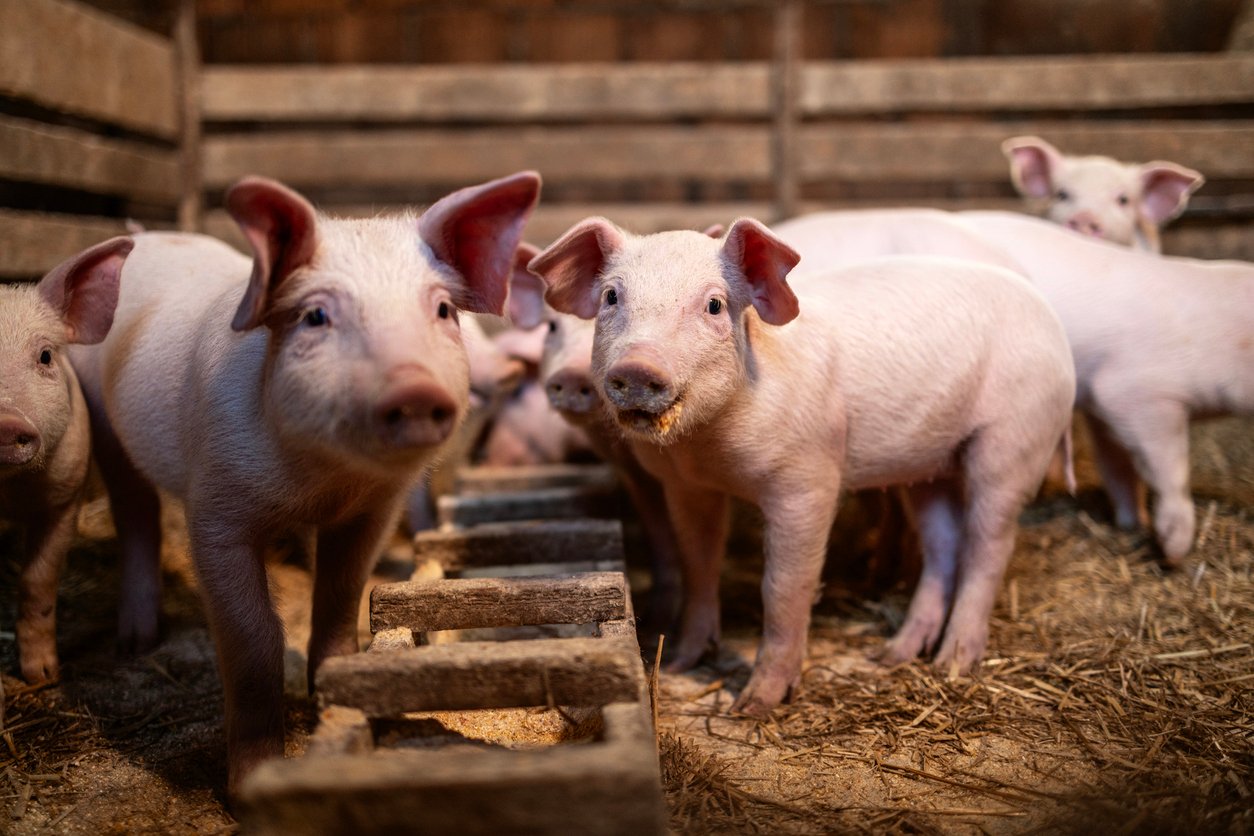
Frans van Mourik and his family operate a farm with 420 sows and 120 dairy cattle in Buren, Gelderland.
"Together with De Varkenspraktijk, we have fully focused on hygiene and health in our company. For two years now, this has yielded an interesting growth in piglets."
The farm breeds its own stock and fattens piglets through feed mill construction, meaning more and healthier piglets are especially important for the business.
"Fatty diarrhoea, after a day or 10, no longer happens at our company.
My own time and better piglets are worth a lot to me! We do the breeding ourselves and fatten our piglets via feed mill construction. In other words, more and better piglets mean a lot to us. The Betuwe is a pig-poor region. Then it has to be possible to deliver healthy, high-quality piglets. My own time and better piglets are worth a lot to me!"
Outcomes Frans attributes to the switch:
- No recurrence of typical fatty diarrhoea
- More and healthier piglets reaching the fattening stage, directly benefiting the farm's own breeding-to-finish operation
Key Takeaways
- A single injection covers two conditions at once: Combining iron supplementation and coccidiosis protection into one injection reduces handling time and stress on piglets compared to split oral and injectable treatments.
- Timing matters, treat within the first 96 hours: Administering the injection 24 to 96 hours after birth ensures piglets receive iron and coccidiosis cover during the critical neonatal window.
- Injectable toltrazuril was considered more reliable than the oral route by the farmer: Piglets cannot spit out an injected product, making it more reliable than oral dosing and eliminating the gagging and vomiting associated with oral toltrazuril.
- Frans reports better absorption with gleptoferron: The iron component in this combination is gleptoferron, which the farmer reports is absorbed more efficiently than iron dextran-based alternatives, resulting in pinker, more vital piglets.
- Hygiene and health focus compounds the benefit: When combined with a consistent farm health programme, the single-injection approach contributed to growth in piglet output with no typical fatty diarrhoea.
